
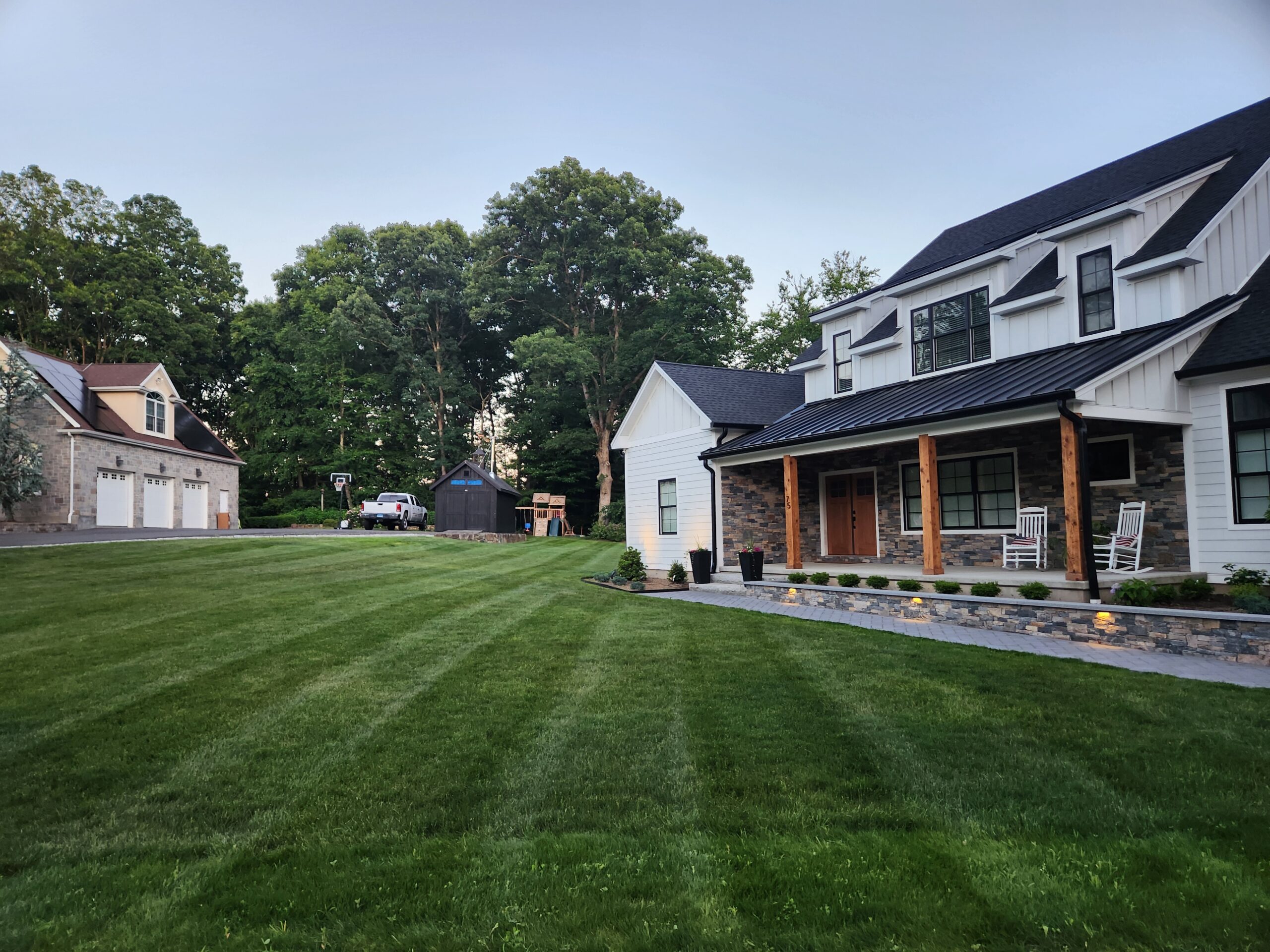
A smooth, even lawn not only looks beautiful but also makes mowing, playing, and entertaining more enjoyable. Unfortunately, many homeowners struggle with lawns that feel uneven or bumpy underfoot. You may notice dips, lumps, or ridges across your yard, and you might be wondering: will aeration help smooth things out?
The answer is: aeration can help in some cases, but it’s not always the complete solution. Let’s break down when aeration can fix bumps, when you’ll need additional lawn care, and the best steps to take for creating the smooth, healthy lawn you want.
Why Lawns Become Bumpy
A bumpy lawn doesn’t just happen overnight. Several factors contribute to uneven surfaces:
- Soil compaction: Over time, heavy use from foot traffic, pets, or equipment causes the soil to compact unevenly, leading to lumpy areas.
- Thatch buildup: Excess thatch (a layer of dead roots and stems) can make parts of the lawn spongy and uneven.
- Settling or erosion: Water runoff, poor drainage, or natural settling can create dips and ridges.
- Buried debris or rocks: Construction leftovers, tree roots, and stones can push up against the soil surface, creating lumps.
- Freeze-thaw cycles: In regions like Connecticut, the soil expands and contracts during seasonal temperature changes, which can cause unevenness over time.
Understanding the cause of your bumpy lawn is the first step in knowing how to fix it.
How Aeration Helps
Lawn aeration is the process of pulling small plugs of soil out of the ground, creating holes that reduce compaction and allow water, nutrients, and air to reach the roots. While aeration is not designed specifically to level a lawn, it can help smooth out minor unevenness.
Here’s how:
- Relieves compaction: Aeration loosens tight soil, which can allow uneven areas to settle more naturally over time.
- Encourages deeper root growth: Stronger, healthier roots improve overall turf density, which can make your lawn appear more even.
- Breaks down thatch: Aeration helps reduce thatch, which is often responsible for spongy or bumpy spots.
If your lawn has only slight bumps and surface irregularities caused by compaction or thatch, aeration may be enough to gradually smooth things out.
When Aeration Alone Isn’t Enough
For lawns with more severe unevenness, aeration by itself won’t fix the problem. If you have dips several inches deep, raised areas, or bumps caused by buried debris, you’ll need additional measures. These may include:
- Topdressing: Spreading a thin layer of soil, compost, or sand over the lawn after aeration. This fills in small low spots and helps level the surface over time.
- Overseeding: Pairing aeration with overseeding helps fill in bare patches that make bumps more noticeable.
- Lawn rolling (with caution): In some cases, lightly rolling a lawn in early spring can help smooth frost heave or minor bumps. However, rolling compacts the soil and should not be done often.
- Grading and leveling: For major unevenness, full regrading of the yard may be necessary. This involves removing excess soil from high spots and filling in low spots with fresh soil.
A Step-By-Step Approach to Fixing a Bumpy Lawn
- Aerate first. Relieve compaction and open the soil. This prepares your lawn for additional treatments.
- Topdress the surface. Spread a ¼ to ½ inch layer of compost, soil, or sand mix across the lawn. Focus on filling shallow dips.
- Overseed. Apply a high-quality grass seed suited to Connecticut’s cool-season lawns. The aeration holes provide excellent seed-to-soil contact.
- Water consistently. Keep soil moist until new seedlings establish, then water deeply 2–3 times per week.
- Repeat as needed. Smoothing a lawn often takes more than one season. A combination of aeration and topdressing over a few years can transform a bumpy yard into an even, lush surface.
Why a Smooth Lawn Matters
Beyond the obvious curb appeal, a smooth lawn has practical benefits:
- Easier, more consistent mowing.
- Safer play areas for kids and pets.
- Better drainage, reducing puddles and waterlogged areas.
- Healthier grass growth since water and nutrients distribute evenly.
Ignoring bumps may lead to worsening problems, including scalping during mowing, standing water, or thin patches of grass.
Tick & Turf’s Approach
At Tick & Turf, we don’t just treat lawns—we evaluate them. If your lawn is slightly uneven, professional aeration combined with overseeding and topdressing may be all you need to get smoother results. For lawns with more serious grading issues, we can guide you on whether soil amendments or more extensive leveling is the right step.
Our goal is to give top level lawn aeration in Newtown CT that’s not only green and healthy but also safe, smooth, and beautiful to enjoy all season long.
Final Word: Will Aeration Fix a Bumpy Lawn?
Aeration can definitely help with minor bumps by loosening compacted soil, reducing thatch, and encouraging new growth. However, if your lawn has significant unevenness, aeration should be part of a broader leveling plan that includes topdressing, overseeding, or in severe cases, regrading.
Either way, addressing the issue now will save you time, money, and frustration in the future—and with the right care, you can enjoy a smooth, healthy, vibrant lawn you’ll be proud of.