How Often Should You Treat for Ticks?
Tick treatments are most effective when applied every 3–5 weeks during tick season, which typically runs from early spring through…

January 12, 2026

Tips & Resources
Tick treatments are most effective when applied every 3–5 weeks during tick season, which typically runs from early spring through…
January 12, 2026
Tick control treatments target ticks at multiple stages of their life cycle. Most professional applications focus on the areas where…

January 12, 2026
Thatch is a layer of dead grass stems and roots that accumulates between the soil surface and green growth. A…
January 12, 2026
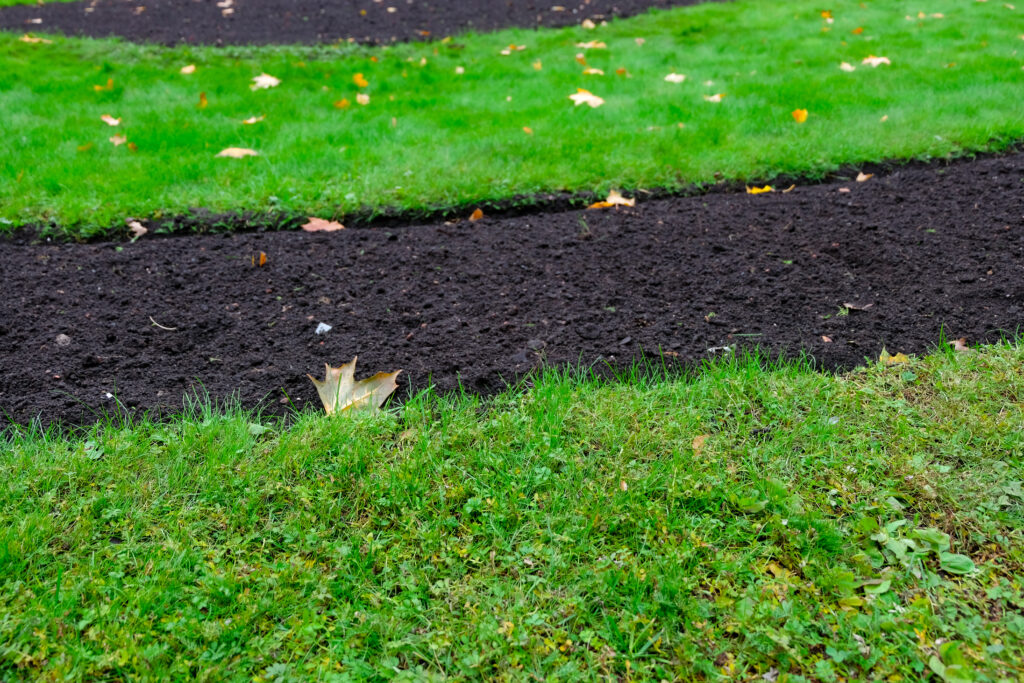
Yes — over-fertilizing is one of the most common lawn care mistakes and can seriously damage turf. What Happens When…
January 12, 2026
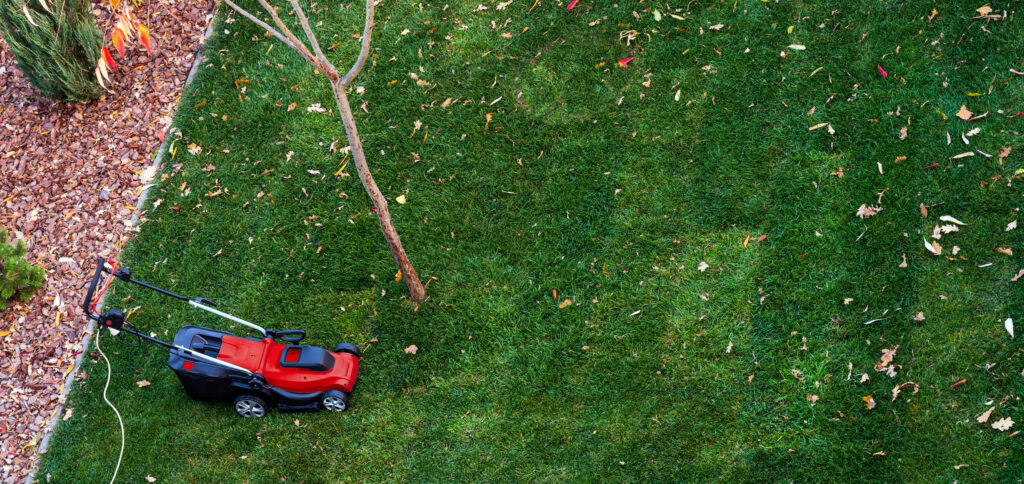
Proper watering is critical for healthy turf, but many lawns suffer from too much water rather than too little. General…
January 12, 2026
Lawn striping creates the light-and-dark patterns seen on athletic fields and professionally maintained lawns. The effect is purely visual and…
January 12, 2026
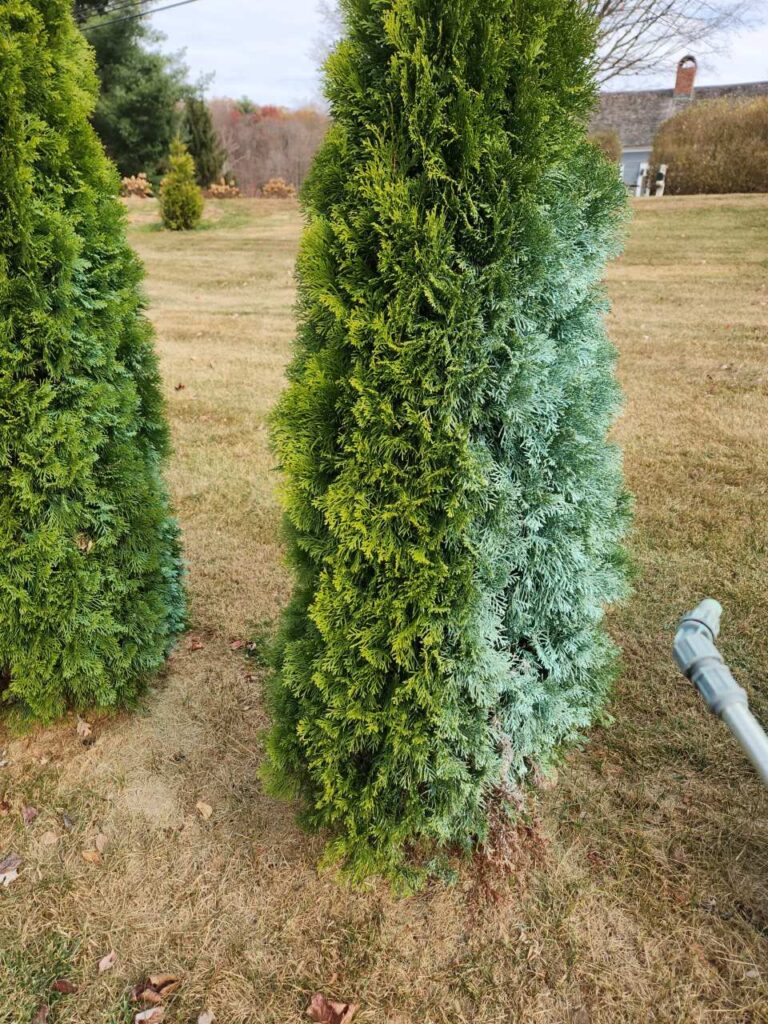
Deer repellent works best when applied consistently and proactively. How often you need to spray depends on the product type,…
January 12, 2026
Deer repellents are designed to discourage deer from feeding on plants by targeting their strong sense of smell and taste.…

January 12, 2026
Just like deer behavior changes seasonally, your lawn’s nutritional needs vary throughout the year. Seasonal fertilization ensures your turf always…
December 5, 2025
Weeds are opportunists. They grow where your lawn is weak or nutrient-deficient. Proper fertilization strengthens turf, creating a dense lawn…
December 5, 2025
A vibrant, green lawn doesn’t happen by chance—it’s the result of proper nutrition and consistent care. Lawn fertilization is the…
December 5, 2025
Many homeowners try a single repellent application and assume they’re protected long-term. Unfortunately, deer are persistent, weather is unpredictable, and…
December 5, 2025