
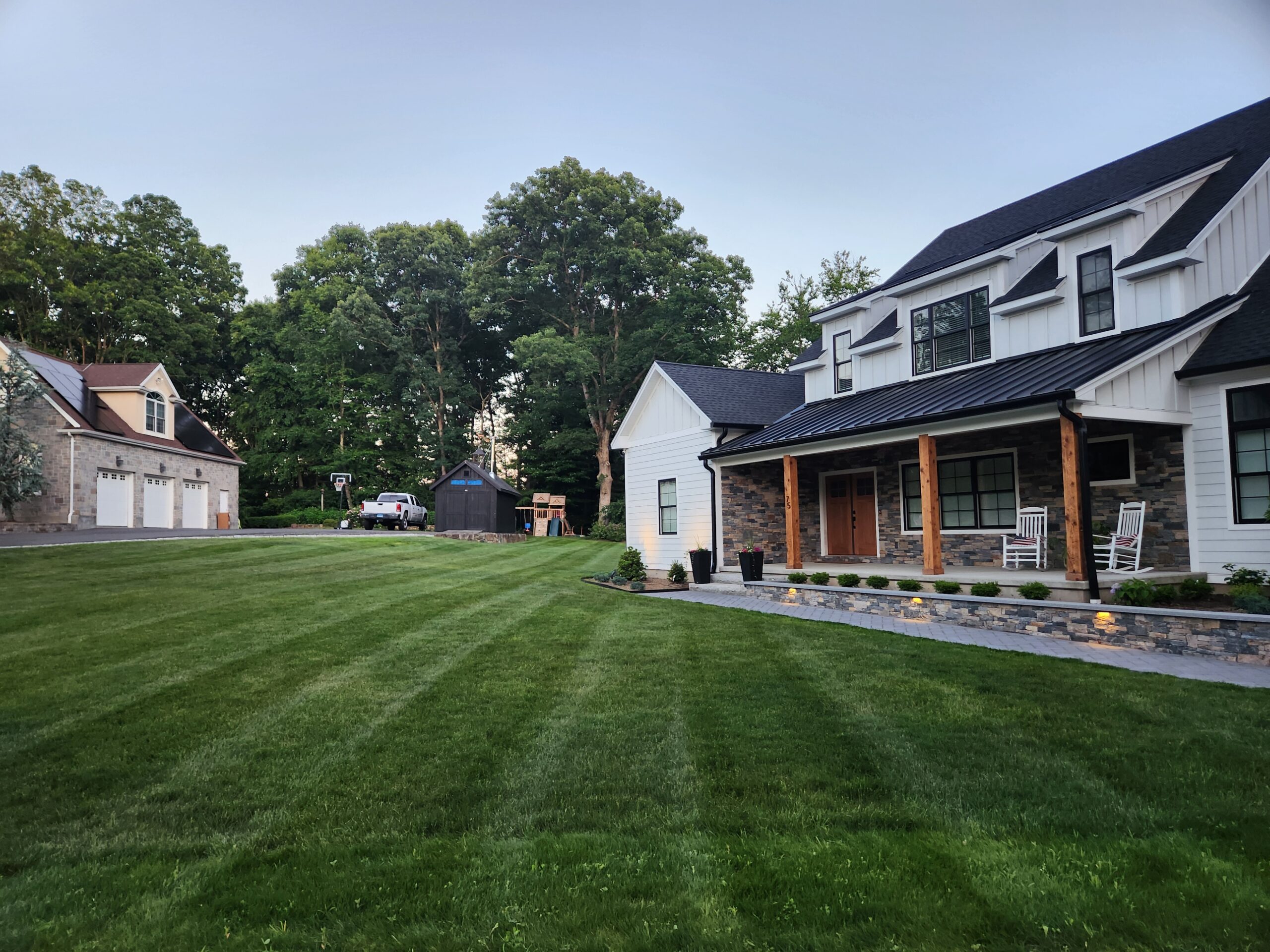
When you look out at your yard, you want to see a thick, green, healthy lawn that makes your home stand out and gives you a place to relax. But sometimes, despite regular mowing, watering, and fertilizing, your lawn just doesn’t look its best. The grass might be thin, patchy, or slow to grow. The soil might feel hard underfoot, or water may puddle after rain. If this sounds familiar, you may be wondering if lawn aeration is really necessary for your yard.
The short answer: yes, aeration is one of the most important things you can do to keep your lawn healthy and thriving. Let’s look at why.
What Is Lawn Aeration?
Lawn aeration is the process of creating small holes in your lawn’s soil to allow water, air, and nutrients to reach the grassroots more effectively. Most commonly, professionals use a core aerator, which removes plugs of soil and deposits them back on top of the lawn. Over time, those plugs break down naturally and improve the soil structure.
There are also spike aerators, which simply punch holes into the soil without removing cores. While these can be useful, they are less effective than core aeration because they can sometimes increase compaction around the holes.
Why Aeration Matters
Over time, soil becomes compacted. Everyday activities like walking on the lawn, kids playing, and even mowing all press the soil together. Compacted soil prevents the grass roots from getting the oxygen, water, and nutrients they need. This leads to weaker, thinner grass that’s more susceptible to weeds, pests, and drought stress.
Aeration relieves that compaction and opens up the soil so roots can grow deeper. Deeper roots mean your grass can access more water and nutrients, making it stronger and healthier overall. A well-aerated lawn will also absorb rainwater better, reducing runoff and puddling.
Signs Your Lawn Needs Aeration
Not every lawn needs aeration every year, but most do. Here are some clear signs your lawn could benefit:
- The grass looks thin or unhealthy despite regular care.
- Water puddles or runs off after rain instead of soaking in.
- The ground feels hard when you step on it.
- You notice an excessive thatch layer (a thick, spongy layer of organic matter sitting on top of the soil).
- Your lawn sees heavy use from kids, pets, or foot traffic.
- The soil is clay-heavy, which compacts more easily.
If your lawn has one or more of these issues, aeration should be at the top of your lawn care list.
The Best Time to Aerate
In Connecticut, we mostly grow cool-season grasses like Kentucky bluegrass, perennial ryegrass, and fescues. The best time to aerate these lawns is in the early fall or spring. Fall is often ideal because the cooler weather helps reduce stress on the grass while giving it time to recover before winter. Aerating in fall also pairs perfectly with overseeding, since the holes left behind create excellent seed-to-soil contact.
Aeration and Overseeding: The Perfect Pair
Aeration on its own is highly beneficial, but it’s even more effective when combined with overseeding. After aeration, the small holes provide the perfect environment for new grass seed to settle in and germinate. Overseeding fills in bare patches, thickens the lawn, and improves resistance to weeds and disease.
At Tick & Turf, we often recommend pairing aeration with overseeding in the fall for the best results. This one-two punch revitalizes lawns that have struggled during the summer and sets them up for lush growth the following spring.
How Often Should You Aerate?
Most lawns benefit from annual aeration. Lawns with heavy clay soil, high foot traffic, or signs of compaction may need it every year without fail. Lawns with sandy soil or less activity might only need aeration every two years. The key is to monitor your lawn’s health and look for the signs mentioned earlier.
Professional Aeration vs. DIY
There are DIY aeration tools you can rent or buy, but professional equipment typically delivers better and more consistent results. Commercial core aerators are designed to penetrate deeply into the soil and cover large areas efficiently. Professionals also know the right depth and spacing needed to maximize results. While DIY is possible, many homeowners find professional aeration is worth the investment for the long-term health of their lawn.
Why Aeration Is Essential
Think of your lawn like your body. Even with regular meals (fertilizer) and water, if your arteries were blocked, nutrients couldn’t reach your organs. Your grass roots are the same way. Aeration “unclogs the arteries” of your lawn, opening the pathway for oxygen, water, and nutrients to get where they’re needed most.
Without aeration, your lawn may struggle no matter how much care you give it. With aeration, your lawn has the best chance to thrive.
Tick & Turf: Your Aeration Experts
At Tick & Turf, we specialize in lawn aeration in Newtown CT. Our aeration service is tailored to your lawn’s unique needs, ensuring that compaction is relieved and your turf is set up for success. Whether paired with overseeding or as part of a seasonal lawn care plan, aeration is one of the best ways to invest in the long-term health of your lawn.
Final Word: Is lawn aeration necessary? Absolutely. If you want a lawn that’s not just surviving, but thriving—green, thick, and resilient—then aeration is a must-have part of your lawn care routine.