
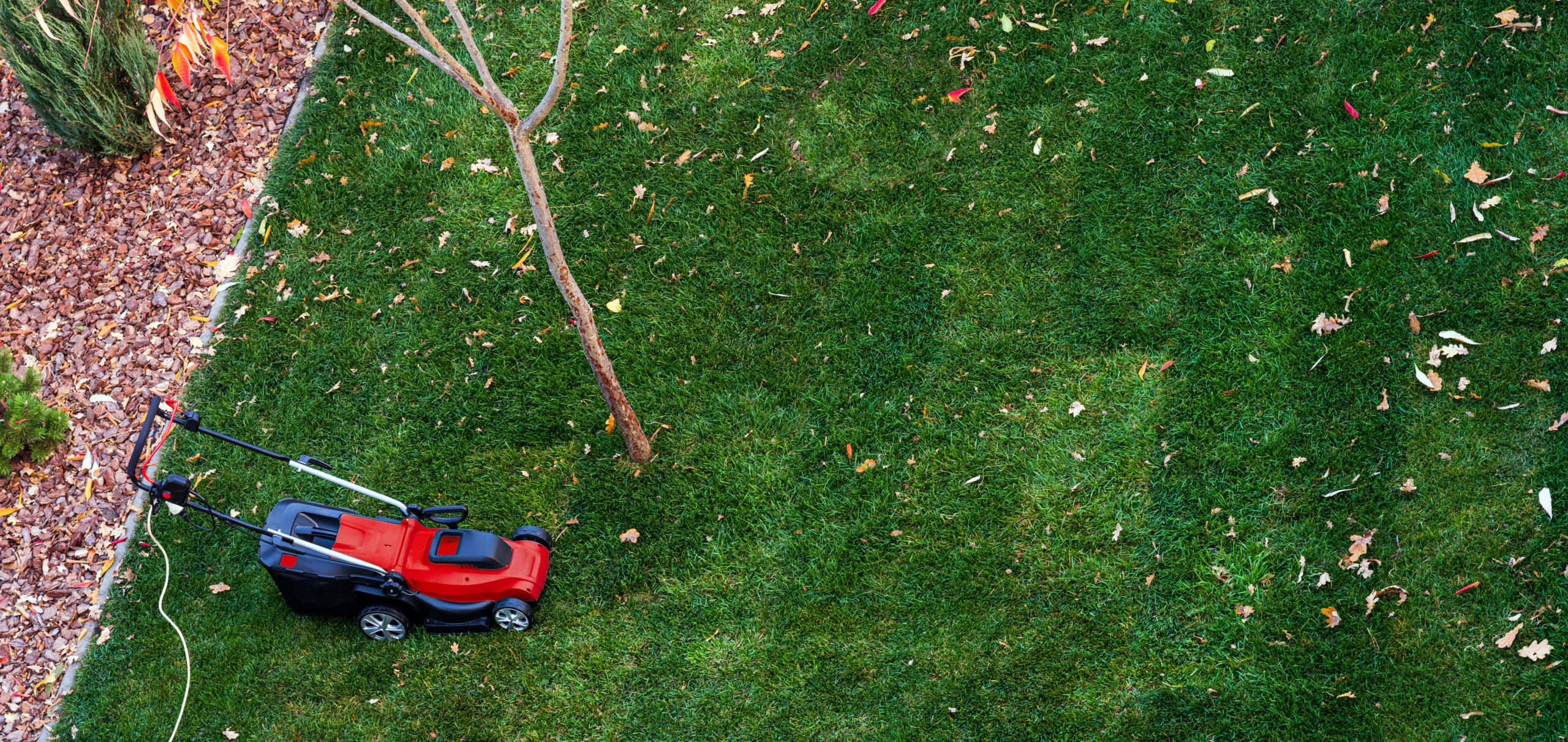
Lawn striping creates the light-and-dark patterns seen on athletic fields and professionally maintained lawns. The effect is purely visual and depends on how grass blades reflect light.
How Lawn Striping Works
Grass blades bent away from you appear darker, while blades bent toward you reflect more light and appear lighter. Striping does not damage the grass and does not require special seed or chemicals.
What You Need
- A mower with a rear roller or striping kit
- Sharp mower blades
- A relatively flat lawn
- Healthy grass at least 2.5–3 inches tall
Step-by-Step Lawn Striping
- Mow Around the Perimeter
Start by mowing a border around the edges of your lawn to create a clean frame. - Mow in Straight Lines
Pick a landmark at the far end of your lawn and mow straight toward it. Avoid looking down at the mower. - Alternate Directions
After each pass, turn around and mow in the opposite direction, overlapping slightly to keep lines crisp. - Use Consistent Speed
Sudden changes in speed can cause uneven striping.
Tips for Better Results
- Cool-season grasses stripe best
- Mow when grass is dry
- Taller grass shows stripes more clearly
- Change striping patterns weekly to avoid soil compaction
Striping is a visual upgrade that signals good lawn care without adding stress to your turf.