
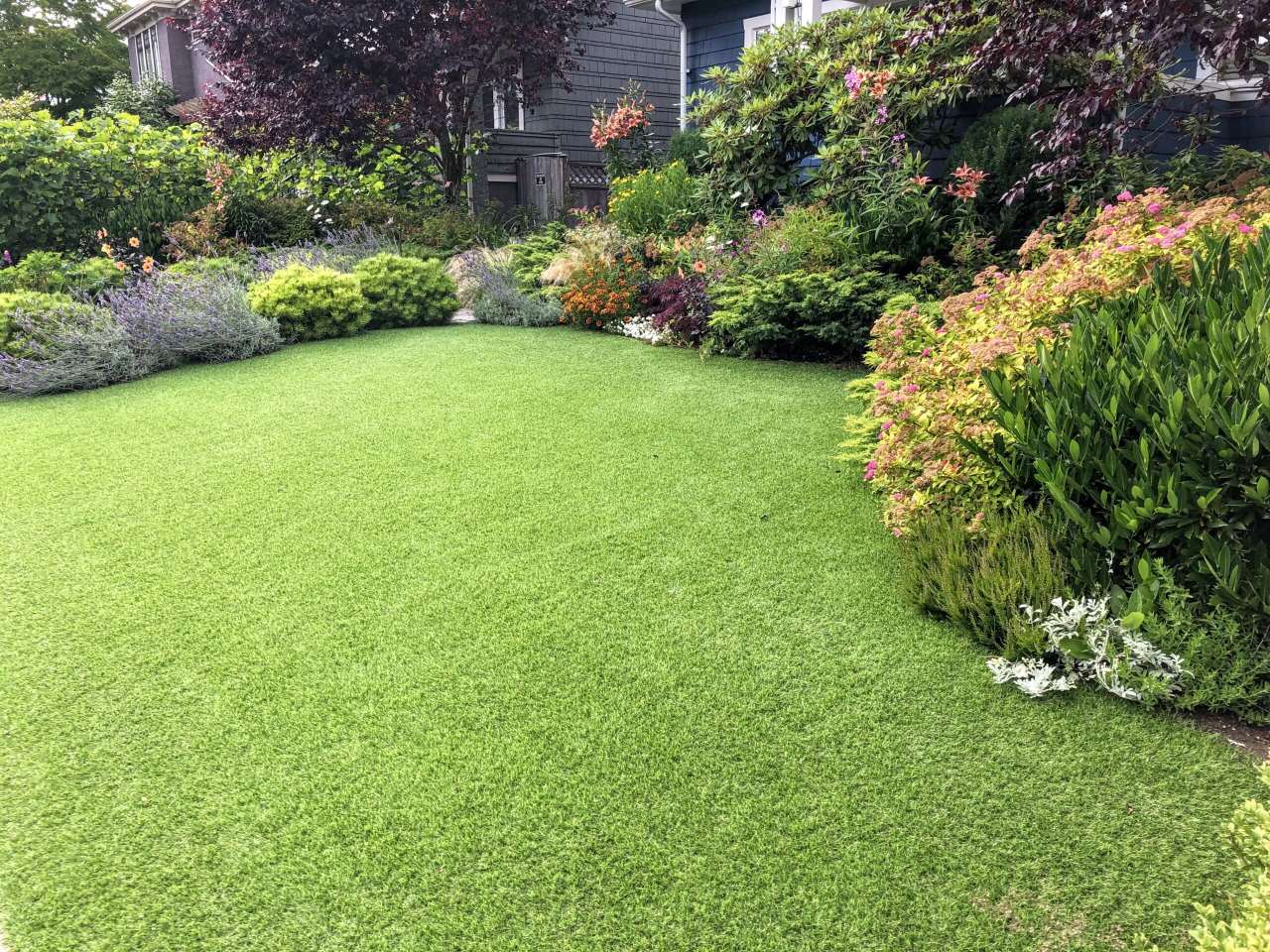
A lush, green lawn doesn’t just happen by accident — it takes proper care, and one of the most important steps is fertilization. Applying the right nutrients at the right time gives your grass the food it needs to grow thick, healthy, and resilient. But many homeowners ask the same question: How often should I fertilize my lawn? Let’s break it down season by season so you can create a schedule that works best for your yard.
Why Fertilization Matters
Fertilizer provides essential nutrients like nitrogen, phosphorus, and potassium that your soil may lack naturally. Without these nutrients, grass struggles to grow, leaving your lawn thin, patchy, and vulnerable to weeds, pests, and disease.
By fertilizing consistently, you:
- Encourage steady, healthy growth.
- Improve root strength.
- Boost resistance to drought and heat.
- Reduce the risk of weeds overtaking your lawn.
General Fertilization Guidelines
While every lawn is unique, a general rule of thumb is to fertilize your lawn four times per year — once in each season. However, the timing and frequency can vary depending on your grass type, soil quality, and regional climate.
Spring: Kickstart Growth
When to fertilize: Early to mid-spring, as soil temperatures reach about 55°F.
After winter dormancy, your lawn needs a boost to start growing again. A balanced fertilizer with a slightly higher nitrogen content helps jumpstart growth and establish healthy blades. Be careful not to fertilize too early, or nutrients may wash away before your grass can use them.
Summer: Maintain Strength
When to fertilize: Late spring to early summer, usually around May or June.
During hot weather, your lawn faces stress from heat and foot traffic. Applying a slow-release fertilizer at the start of summer provides steady nutrition without burning the grass. For cool-season grasses, avoid heavy fertilization during the peak of summer heat, as this can stress the lawn.
Fall: The Most Important Feeding
When to fertilize: Late summer to early fall, around September.
Fall fertilization is often considered the most important application of the year. It helps repair damage from summer stress, encourages strong root development, and stores nutrients for the winter months. A fertilizer with a higher potassium content prepares your lawn for cold weather and ensures it bounces back in spring.
Winter: Optional in Some Regions
When to fertilize: Late fall or early winter, before the ground freezes.
In regions with milder winters, a final winterizing fertilizer application helps protect grass during dormancy. In colder areas, however, the fall feeding may be enough. Always check your local recommendations.
Adjusting Based on Your Lawn
Your lawn’s needs depend on several factors:
- Grass Type: Cool-season grasses (like fescue, ryegrass, and bluegrass) benefit from spring and fall feedings. Warm-season grasses (like Bermuda and zoysia) thrive with more summer applications.
- Soil Quality: Poor soil may require more frequent fertilization. A soil test can help determine what nutrients are missing.
- Appearance Goals: If you want a golf-course-quality lawn, you may need more frequent, lighter applications throughout the growing season.
Tips for Fertilizing Successfully
- Use the Right Fertilizer: Choose one designed for your grass type and soil needs.
- Follow Instructions: More fertilizer isn’t always better. Over-fertilizing can burn your grass and pollute waterways.
- Water Properly: Water your lawn after fertilizing (unless using a specific no-water product) to help nutrients soak in.
- Mow at the Right Height: Taller grass blades shade roots and help retain moisture, making fertilizers more effective.
Final Thoughts
Fertilizing your lawn about four times a year — with adjustments for grass type, soil, and climate — is a reliable approach to keeping it green and healthy. By creating a schedule and sticking to it, you’ll see lasting improvements in color, thickness, and resilience.
For expert help with fertilization schedules and treatments tailored to your property, Tick & Turf can make sure your lawn always looks its best. Learn more about professional lawn care in Newtown CT and get the lush yard you’ve always wanted.