
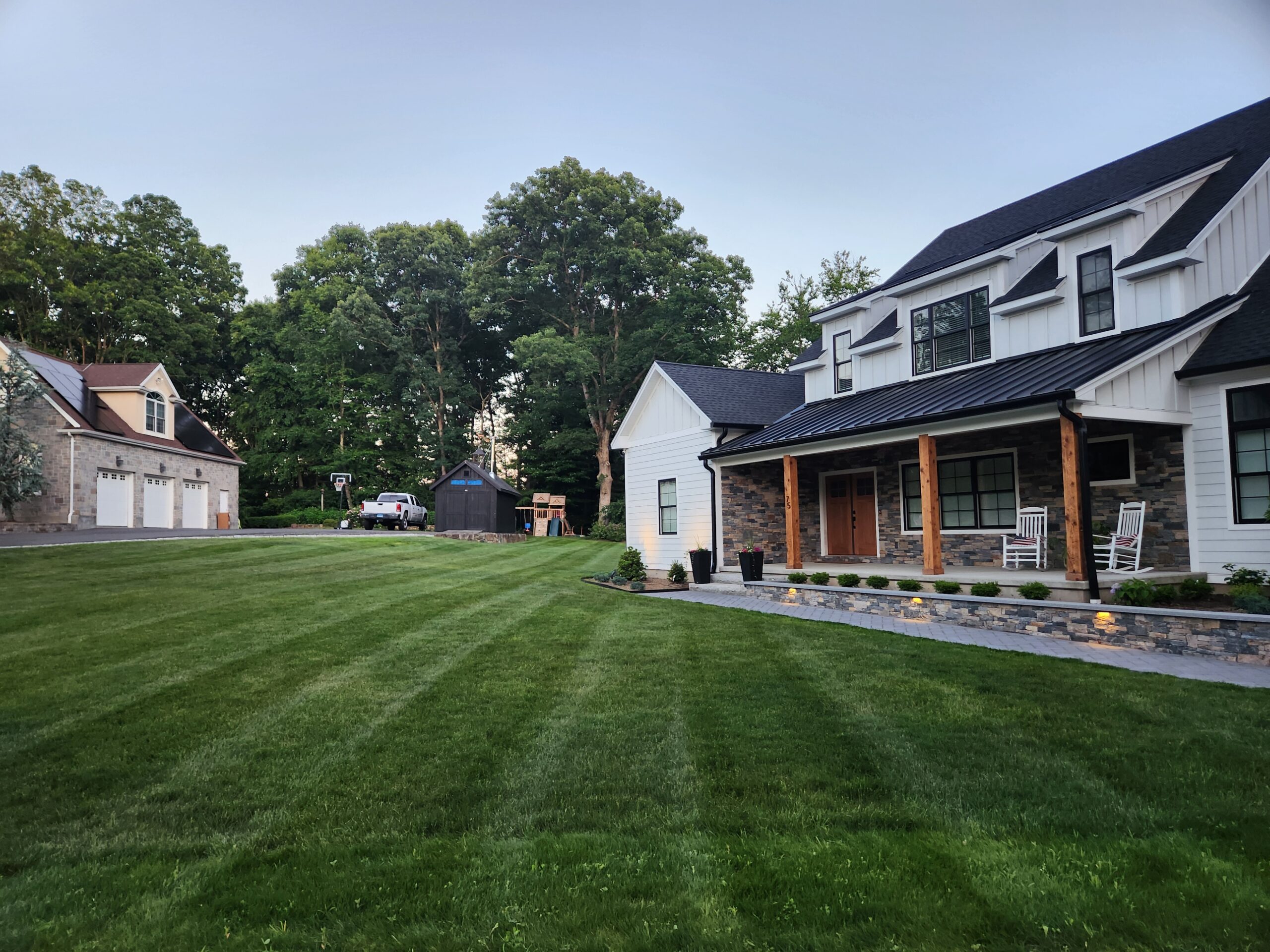
If you’ve spent time caring for your lawn—watering, mowing, fertilizing, and even overseeding—you might still be left wondering why the grass doesn’t look as thick and healthy as it should. Maybe water seems to run off the surface instead of soaking in, or patches of grass remain thin despite your best efforts. At this point, many homeowners ask the question: does lawn aeration really work, or is it just another upsell from lawn care companies?
The truth is, lawn aeration absolutely works. It’s one of the most effective ways to restore soil health, strengthen grassroots, and encourage a lawn that thrives year after year. Let’s break down exactly how and why aeration works so well.
What Is Lawn Aeration?
Aeration is the process of creating small holes in your lawn to relieve soil compaction and allow air, water, and nutrients to reach the roots more effectively. The most common and effective method is core aeration, which removes small plugs of soil from the ground and deposits them on top of the lawn. Over time, those plugs break down naturally, further enriching the soil.
Spike aeration (which simply punches holes without removing soil) exists too, but it can sometimes add to compaction instead of relieving it. That’s why professional lawn care companies usually recommend core aeration for best results.
Why Aeration Works
1. Relieves Compaction
Soil naturally compacts over time from foot traffic, pets, mowing, and even rainfall. Compacted soil makes it nearly impossible for grassroots to spread and grow deeply. Aeration breaks up that compaction, opening channels for air and moisture to move through the soil.
2. Improves Water Absorption
If you’ve ever noticed water puddling on your lawn after a rainstorm, you’ve seen the effects of compaction. By creating channels in the soil, aeration allows water to soak in rather than running off. This helps roots grow deeper while reducing waste and erosion.
3. Encourages Root Growth
Roots thrive when they can access air, nutrients, and water. Aeration ensures all three reach the root zone, which results in deeper, stronger, more resilient roots. A lawn with strong roots can better withstand heat, drought, and heavy use.
4. Breaks Down Thatch
Thatch is the layer of organic material (stems, roots, and debris) that sits between the soil and grass blades. A little thatch is good, but too much creates a barrier that blocks air and water. Aeration helps break down excessive thatch, keeping it from suffocating your grass.
When Aeration Works Best
While aeration is effective on nearly every lawn, the timing and conditions matter. In Connecticut, where cool-season grasses like bluegrass, ryegrass, and fescues are common, the best time to aerate is in the early fall or spring.
- Fall aeration sets up your lawn to recover from summer stress and prepare for winter. It also pairs perfectly with overseeding.
- Spring aeration helps relieve compaction from the winter freeze-thaw cycle and promotes strong growth heading into the growing season.
Aeration + Overseeding: A Winning Combo
Aeration is powerful on its own, but when combined with overseeding, the results can be transformative. The holes created by aeration provide ideal seed-to-soil contact, which helps new grass germinate quickly. Overseeding after aeration fills in thin areas, improves lawn density, and introduces newer, disease-resistant grass varieties.
This combination not only repairs your lawn but also strengthens it against weeds and pests, since a dense lawn naturally resists invaders.
Professional vs. DIY Aeration
Some homeowners choose to rent aerators from hardware stores, but professional equipment almost always delivers better results. Commercial-grade machines remove deeper, more consistent cores across the entire lawn. Professionals also know how to handle tricky areas and avoid damaging irrigation systems, shallow utility lines, or delicate landscapes.
While DIY aeration is possible, many homeowners find that professional aeration saves time and delivers longer-lasting benefits.
How Often Should You Aerate?
Most lawns benefit from aeration once a year, especially those with clay soil or heavy traffic. Sandy soil lawns may only need it every two years. The key is to monitor your lawn for signs of compaction, such as pooling water, thin grass, or soil that feels hard underfoot.
What Aeration Won’t Do
While aeration is highly effective, it’s important to note what it won’t fix:
- Severe bumps and dips: Aeration won’t level a very uneven lawn on its own. Topdressing or regrading may be necessary.
- Instant transformation: Aeration is a long-term investment. The biggest improvements appear weeks to months after the process.
- Neglected care: Aeration works best when paired with proper watering, fertilizing, and mowing practices.
Why It’s Worth It
When done at the right time and paired with good aftercare, aeration is one of the most cost-effective lawn care services available. It creates the foundation for stronger, greener, healthier grass by improving soil health from the inside out.
Many homeowners notice their lawns becoming thicker, greener, and easier to maintain in the weeks following aeration. Over the long term, aeration reduces problems like drought stress, weeds, and disease—saving you money and frustration.
Tick & Turf: Aeration That Works
At Tick & Turf, we believe healthy lawns start with healthy soil. Our professional aeration service is designed to maximize results for Connecticut lawns, creating stronger roots and greener grass. Whether you want to prepare for overseeding or simply improve your lawn’s resilience, aeration is one of the best steps you can take.
Final Word: Yes, lawn aeration in Newtown CT works —and it works remarkably well. By relieving compaction, improving root health, and creating the perfect conditions for growth, aeration is the key to a lawn that not only looks great but also stands strong against the challenges of each season.